Cambridge, MA · Independent consultancy
Translational Strategy · Biomarkers & Assays · Human Disease Models · R&D Program Execution · Scientific Communication
Whether you're developing a translational strategy, identifying the right biomarker or assay, building a human iPSC disease model, advancing an R&D program, or communicating the science clearly, I help biotech companies, academic spinouts, and research organizations make informed scientific decisions and move their programs forward with confidence.
- PhD
- Neuroscience · Inserm / Univ. Paris 7
- HMS · BWH
- Harvard Medical School
- WCM
- Weill Cornell Medicine
Index
Areas of expertise
Five areas, one goal: science that moves a program forward.
Translational Strategy
Transforming early scientific observations into a clear, defensible, and fundable development strategy by integrating target rationale, disease biology, and preclinical planning.
Biomarkers & Assays
Building fit-for-purpose biomarker and assay strategies that align the right analyte, platform, validation approach, and experimental design with your development goals.
Human Disease Models
Building robust human iPSC neuronal models for Alzheimer's and Parkinson's disease through optimized differentiation, quality control, and decision-relevant phenotypic readouts.
R&D Program Execution
Keeping complex R&D programs on track through thoughtful CRO and vendor strategy, cross-functional coordination, and high-quality scientific writing.
Scientific Communication
Clear, rigorous scientific writing and visual communication for manuscripts, grants, reports, and figures, tailored for expert and decision-making audiences.
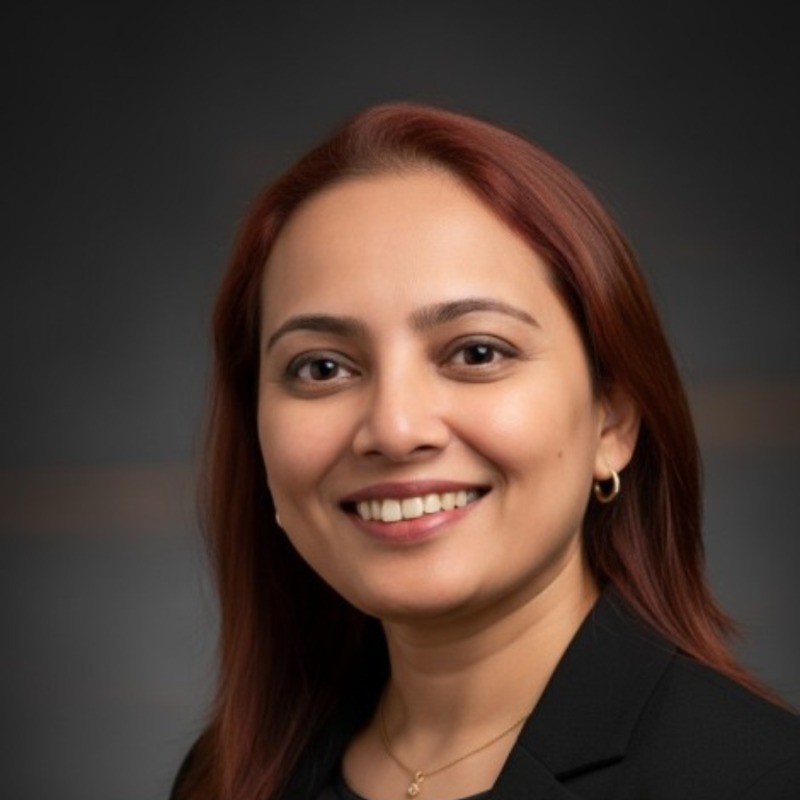
Neuroscientist and life-sciences consultant with eight years across academic medical centers and biotechnology — including Harvard Medical School, Brigham and Women's Hospital, and Weill Cornell Medicine.
Her scientific expertise spans Alzheimer's disease, Parkinson's disease, human neuronal models, and translational biomarker development — with hands-on experience building assays, disease models, and the programs built around them.
Correspondence
Bring the question that can't be delegated.
A first conversation is thirty minutes. Bring the program, the assay, or the model — and the doubt about any of them.